Prosopagnosia, often referred to as “face blindness,” is a neurological condition that affects the ability to recognize faces. For individuals living with prosopagnosia, identifying familiar faces (even those of close friends, family, or coworkers) can be a real challenge. While the condition varies in severity, it can significantly impact everyday interactions, especially in environments like spas where personal connections and recognizing faces are essential.
Though this condition is often underdiagnosed, especially in cases of mild prosopagnosia, it’s more common than we think. While it may sound rare, it actually affects around 2% of the general population, and it’s even more common among neurodivergent individuals, such as those with autism, ADHD, and dyslexia. This means many may not even be aware they have it; a spa therapist or client with this condition could be encountering challenges in recognizing faces without even realizing it.
In this post, I’ll walk you through how prosopagnosia can affect both spa clients and therapists, and share some simple, thoughtful ways we can create a more inclusive and welcoming space for everyone.
What Is Prosopagnosia?
At its core, prosopagnosia is a condition that impairs the brain’s ability to process facial features. This can make it difficult for individuals to recognize faces, even those they interact with frequently. People with prosopagnosia often rely on other clues like voice, posture, or hairstyle to identify individuals. For some, prosopagnosia is present from birth, while for others, it can be the result of brain injury or neurological illness.
For those who live with it, the difficulty recognizing faces can lead to confusion, awkward moments, and social discomfort. In the spa industry, understanding prosopagnosia can go a long way in creating an inclusive and empathetic environment for both clients and therapists.
The Impact of Small Changes in Appearance
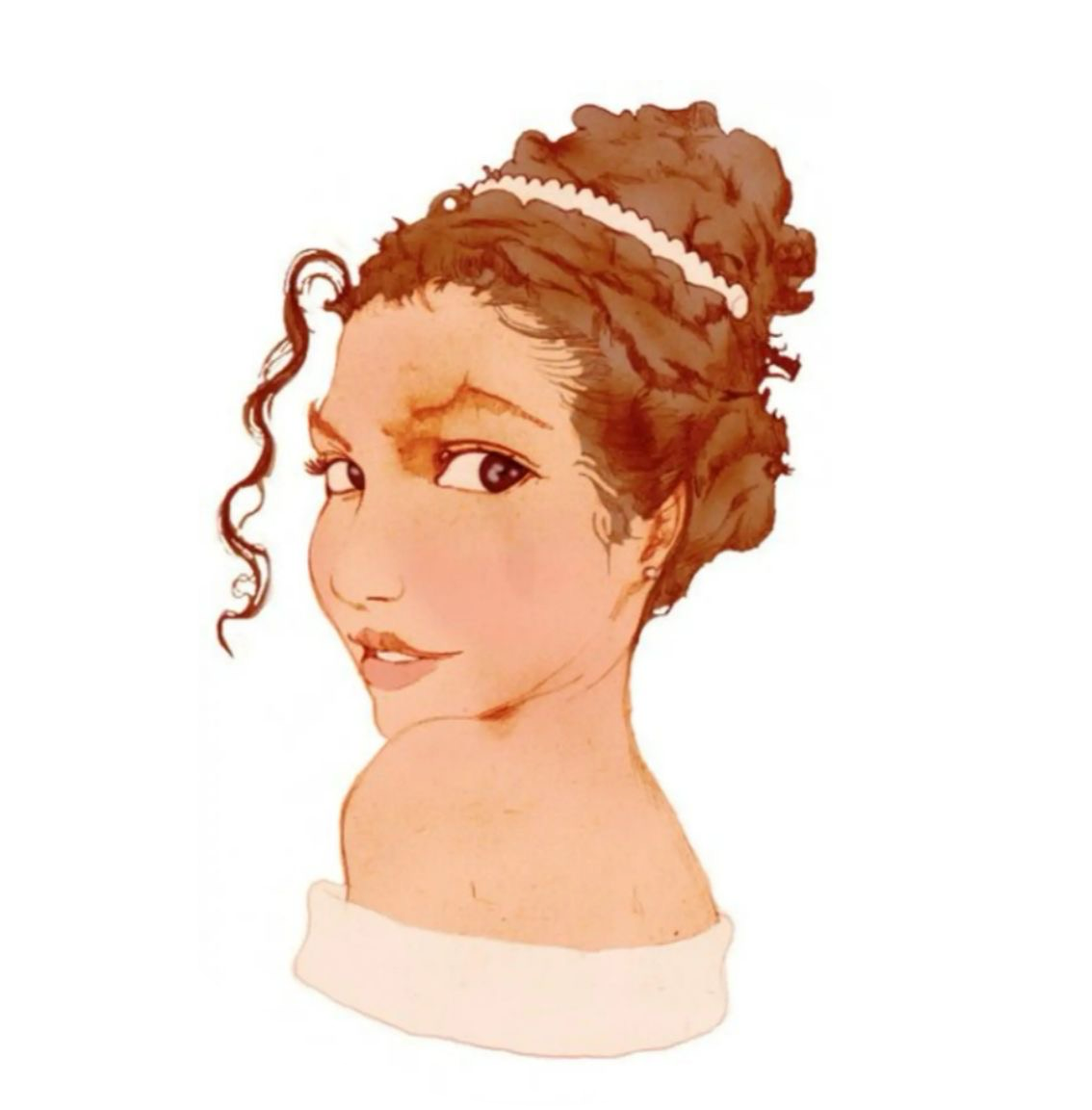
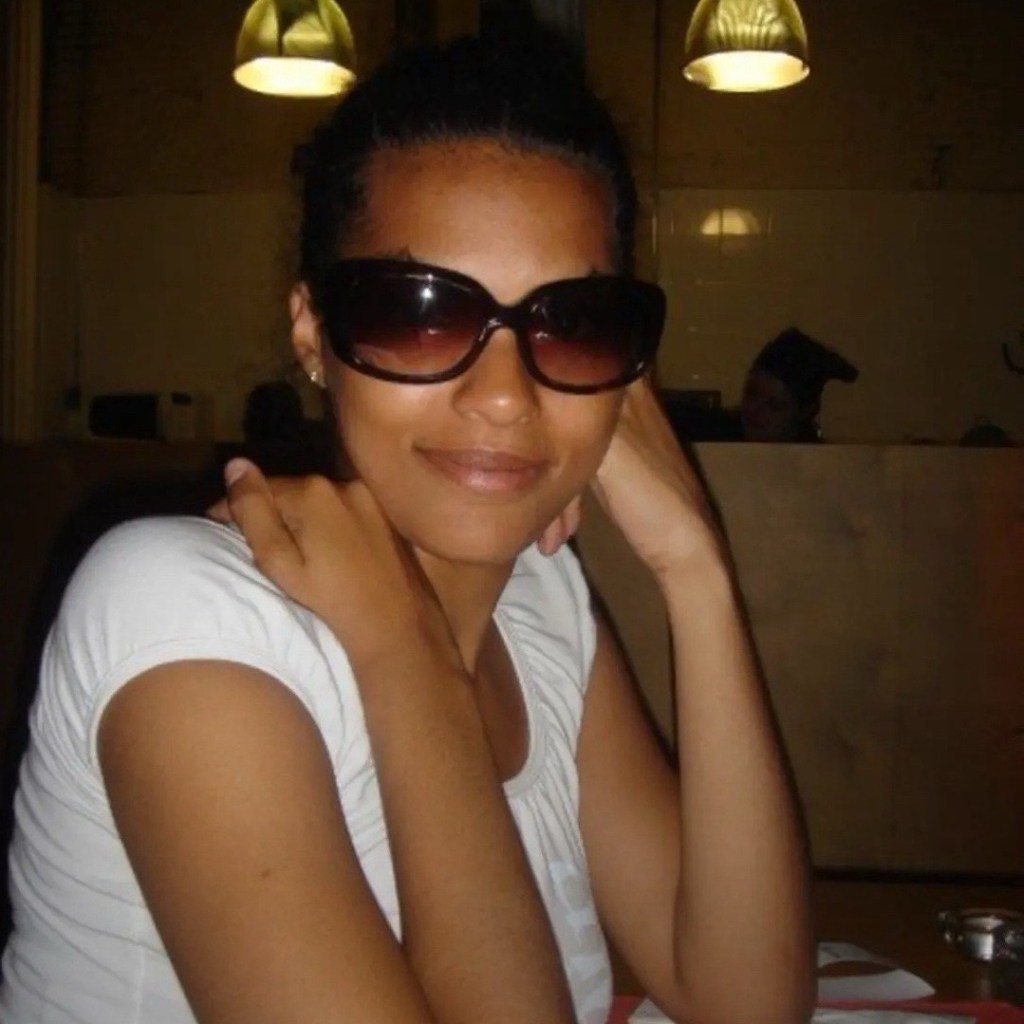
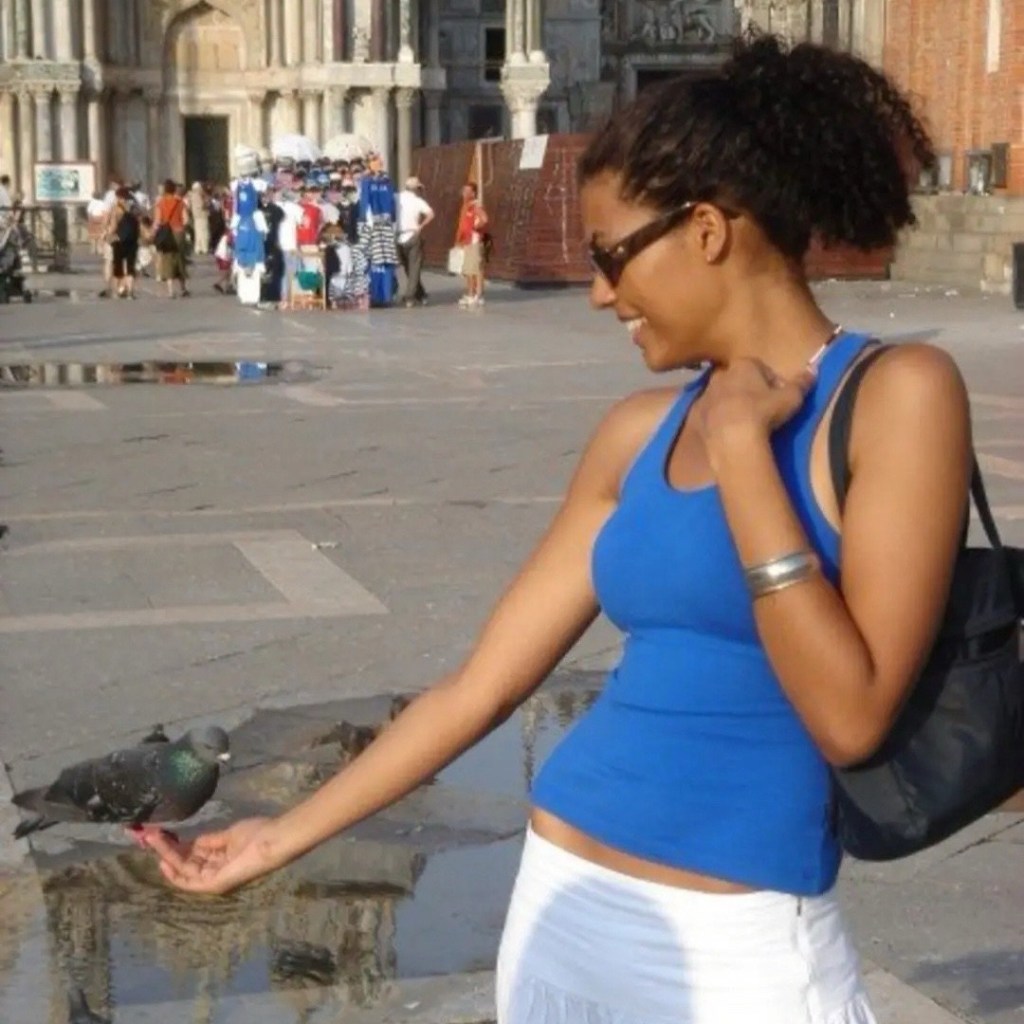
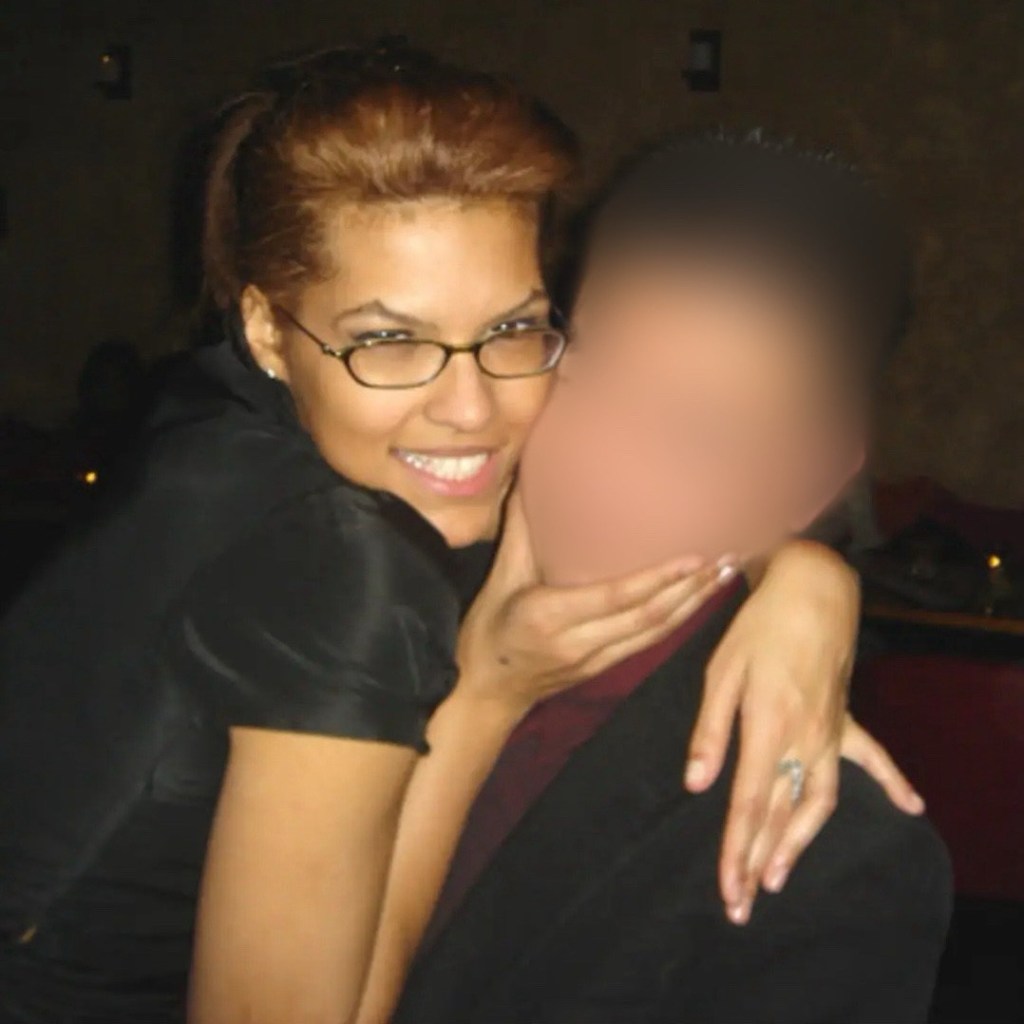
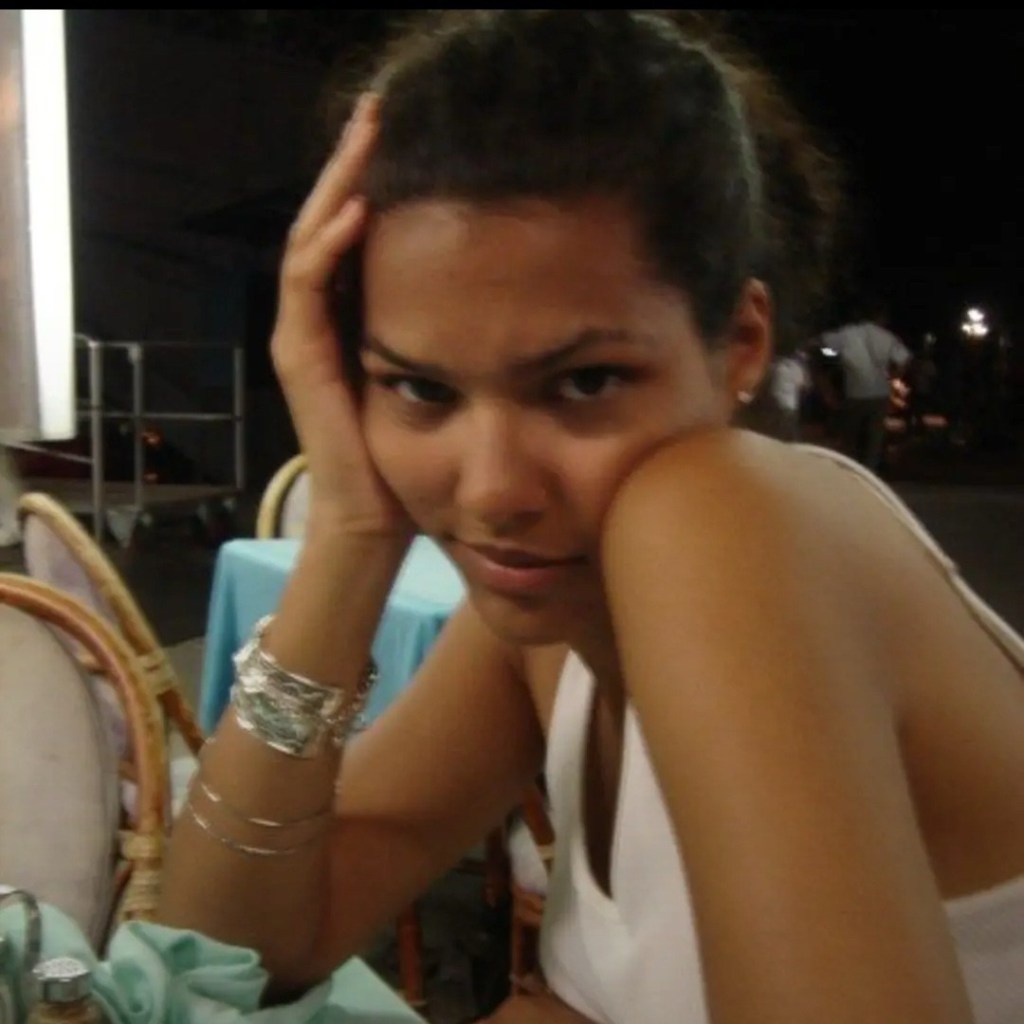
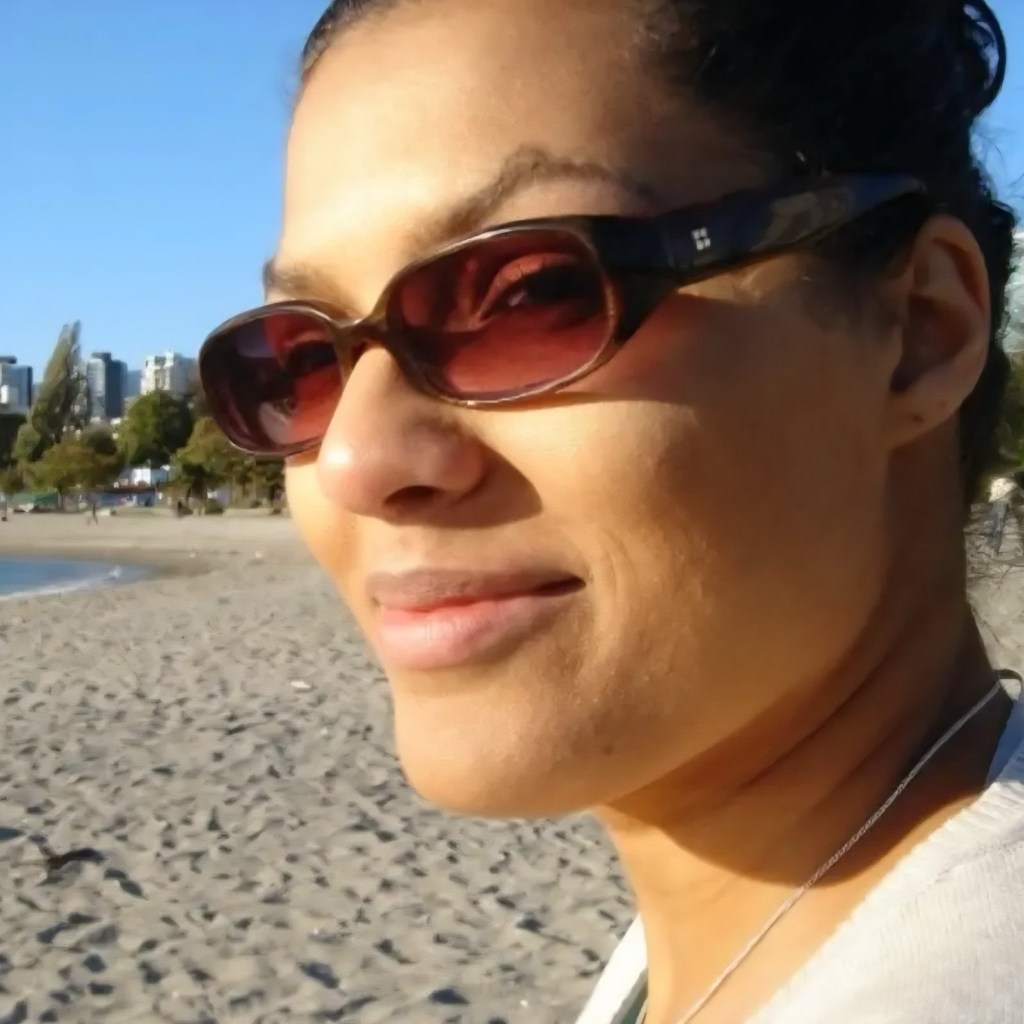
A common experience for individuals with prosopagnosia is the challenge posed by small changes in someone’s appearance. For example, a sudden ponytail when you’re used to seeing someone’s hair down, a shaved face when you’re accustomed to facial hair, or a change in hair color or accessories like glasses can cause confusion. I used to think it was unbelievable that the people of Metropolis couldn’t recognize that Clark Kent and Superman were the same person, yet, I once failed to recognize someone I’d met at least twice before simply because she wore a baseball cap that day.
These small shifts can throw off anyone with face blindness, leading to moments of unintentional confusion or social awkwardness.
It’s Not Just Faces, It’s the Storylines, Too
Prosopagnosia doesn’t only affect day-to-day social interactions, it can also make following films, shows, or even real-life narratives more complicated. If two characters (or people) have similar features, hairstyles, or names, it’s easy to mix them up, even if others see them as obviously distinct.
When I was a kid—DO NOT ASK ME WHY—I used to confuse Rebecca DeMornay and Demi Moore. I remember asking my sister why she kept dying her hair back and forth between blonde and brunette. Their names sounded similar to me, too, which only made it worse. Now, as an adult, I can definitely see the difference, but at the time, I just couldn’t. It was like my brain merged them into one person with inconsistent hair color and an oddly complicated movie career.
These kinds of mix-ups might sound silly or superficial to someone without facial blindness, but they speak to a much deeper reality: when you can’t use facial recognition as a reliable reference point, your brain grabs whatever other cues it can (hair color, voice, name, energy) and tries to build a patchwork of understanding.
As a Client with Face Blindness
For a spa client with prosopagnosia, walking into a wellness space can feel overwhelming. Even if they’ve visited before, they may not recognize their massage therapist, esthetician, or receptionist from a previous appointment. This can lead to feelings of disconnection, embarrassment, or anxiety.
Some specific experiences may include:
Difficulty Recalling Past Providers: A client might not realize they’ve worked with the same therapist before, which could feel awkward if the therapist greets them warmly or references previous sessions.
Anxiety at Check-In: Without recognizing familiar faces, the client may constantly feel like they’re entering a brand-new environment, even if they’ve been loyal customers for months or years.
Building Trust More Slowly: Recognizing someone’s face helps establish emotional trust. Without that ability, it might take longer for the client to feel fully comfortable and safe in the spa environment.
Navigational Challenges: If the spa has multiple staff members wearing similar uniforms, clients may struggle to tell who’s who, increasing confusion.
Unintentional Social Tension: On a personal level, prosopagnosia has gotten me into trouble more than once. I’ve unintentionally ignored people I had previously met, not because I was being rude, but simply because I genuinely didn’t recognize them. Unfortunately, some of those people assumed I was pretending not to know them, or deliberately giving them the cold shoulder. It’s led to some awkward misunderstandings and even a bit of bad blood with acquaintances who misread my behavior.
That’s why awareness and communication are so important not just in the spa setting, but in all human interactions. A simple explanation can go a long way in bridging those moments of confusion.
How Spa Clients with Prosopagnosia Can Cope with Their Condition
Visiting a spa can be an incredibly relaxing and rejuvenating experience for anyone, but for spa clients with prosopagnosia, it can sometimes feel a little overwhelming, especially when it comes to recognizing the staff or even familiar faces. Fortunately, there are several ways to cope and make the experience more comfortable and stress-free. Here are some strategies that may help clients navigate their visit:
1. Share Your Condition with Spa Staff
One of the most effective ways to ensure a smoother experience is simply by letting the staff know about your condition. Most therapists and spa staff are understanding and will appreciate the opportunity to make your visit more comfortable. Let them know that recognizing faces is a challenge for you and that you may need extra help, especially if you’ve visited before. You could even request a specific therapist or ask them to introduce themselves again, especially if they’ve made changes to their appearance.
2. Use Visual Cues or Memory Aids
If recognizing faces is a challenge, consider creating a mental “cheat sheet” for yourself. Before your visit, you could write down details about the staff, such as their hairstyle, usual attire, or any accessories they wear (like glasses). You could also note small, memorable details about their demeanor or how they interact with you. This list can help you recognize them quicker during your appointment.
3. Request a Familiar Environment
If you’ve been to a spa before but have trouble recognizing the staff, it might help to request the same room or therapist for each visit. A familiar setting can create a sense of comfort and make it easier to connect with the space. You could even consider booking the same time slot to help reinforce your routine and ease anxiety.
4. Focus on Non-Facial Cues
While recognizing faces can be tricky, there are plenty of other cues to help identify someone. Pay attention to the sound of their voice, their body language, or any distinctive scents they wear (such as a favorite essential oil). These cues can serve as helpful reminders of who you’re interacting with, especially if you’re in a space with many similar-looking individuals.
5. Bring a Friend or Family Member
If you feel more comfortable, consider bringing a friend or family member with you for extra support. Having a familiar face with you can provide reassurance, especially when interacting with new therapists or staff members. They can help you navigate the environment and even introduce you to anyone you’re unsure about.
6. Ask for Name Tags or Visual Identifiers
While some spas already use name tags, it’s worth asking for them if they aren’t a standard feature. Visual identifiers can significantly help you feel more at ease. If you have a regular therapist or specific staff members you see often, they may be open to the idea of wearing something distinctive like a name tag or pin to help you recognize them.
7. Stay Calm and Patient with Yourself
Lastly, it’s important to be gentle with yourself. Prosopagnosia can be frustrating, but it’s okay if you don’t immediately recognize someone. Remind yourself that it’s not intentional and that you’re doing your best to navigate the experience. Take a deep breath, and remember that everyone wants you to feel comfortable, no matter who you’re interacting with.
By incorporating these coping strategies, spa clients with prosopagnosia can make their experience much more enjoyable. Whether it’s through communication, using memory aids, or relying on non-facial cues, these steps can help ensure a smoother visit.
As a Spa Therapist
For a spa therapist, facial blindness can cause embarrassing situations that could negatively impact their performance and undermine their confidence in the workplace.
Some specific experiences may include:
Social and/or Professional Anxiety: Face blindness may cause anxiety with a spa therapist when they are unable to recall certain guests they had previously serviced, or when they are expected to remember a specific guest experience.
Difficulty Recalling Past Clients: This can be particularly distressing to both the client and the service provider when the service provider fails to recognize the client as a repeat guest, especially when it’s someone with whom they’ve built rapport.
Difficulty Recognizing Coworkers: A spa professional with prosopagnosia may unintentionally rebuff or otherwise overlook people they do not recognize, even coworkers, despite interacting with them daily, depending on severity.
Challenges Establishing Rapport with Clients: It can take additional time for a spa therapist with face blindness to build rapport with clients when they struggle with remembering who they are.
Unintentional Social and/or Professional Tension: This may be caused by clients or co-workers misunderstanding of the service provider’s behavior.
How Spa Therapists with Prosopagnosia Can Navigate Their Work
For spa therapists who experience prosopagnosia, the spa environment, with its steady flow of new clients and often rotating staff, can present unique challenges. Here are a few practical tips for managing these difficulties:
1. Be Honest with Clients
One of the most powerful things a therapist with prosopagnosia can do is be open and honest with clients. It’s totally okay to share that you have difficulty recognizing faces and that it might take a few visits for you to really connect their name to their face. You can make light of it, share a little joke about it (such as, “If you see me in the grocery store and don’t think I recognize you, feel free to remind me who you are!”), and let them know that they should be patient with you as you build that recognition.
2. Use Visual Cues
Much like clients, therapists can also rely on non-facial cues to help identify regulars. If a client has a particular style of clothing or hair, a signature scent, or an iconic accessory, these visual markers can help you build a mental connection. You can make notes of these things in a professional way so that you’re prepared for future sessions.
3. Assign Celebrities or Characters to Clients
Another coping strategy that can be both fun and effective is assigning celebrities or famous characters to your clients. It doesn’t need to make sense to anyone else but you. If someone reminds you of a specific actor or character, use that association in your mind to help you remember them. For example, “Oh, Jessica Chastain is coming in today!” This method may sound a little odd to others, but it can be a helpful visual tool for your own reference.
4. Be Compassionate Toward Yourself
Having prosopagnosia doesn’t mean you’re a bad therapist, it simply means that face recognition is a little harder for you than it is for others. Be kind to yourself and don’t beat yourself up when you forget a client’s name or mix up faces. Your clients will appreciate your honesty and the effort.
Final Thoughts
Creating an inclusive, understanding spa experience for neurodivergent clients and those with prosopagnosia is not just about recognizing faces; it’s about building trust and showing empathy. By using these simple strategies, we can ensure that everyone feels seen and valued, whether they have a face you recognize right away or not.
The spa should always be a space of relaxation and comfort, and with a little understanding, we can make sure it remains that way for everyone.
Some Famous Faces with Face Blindness
Public Figures Who’ve Spoken About Prosopagnosia
Brad Pitt: American actor and producer; struggles to recognize people, and is often misunderstood as aloof.
Jane Goodall: British primatologist famous for her work with chimpanzees in the wild; experiences difficulty recognizing both human and chimpanzee faces.
Steve Wozniak: American inventor, engineer, and co-founder of Apple Inc.; has challenges recognizing faces in social and professional settings.
Stephen Fry: British actor, writer, comedian, and broadcaster; experiences confusion in social situations.
Crown Princess Victoria of Sweden: heir apparent to the Swedish throne and advocate; committed to raising awareness of face blindness.
Alan Alda: American actor, writer, and film director; has candidly spoken about struggling to recognize familiar people.
Joanna Lumley: British actor, author, activist, and former model; has spoken openly about her experience with prosopagnosia.